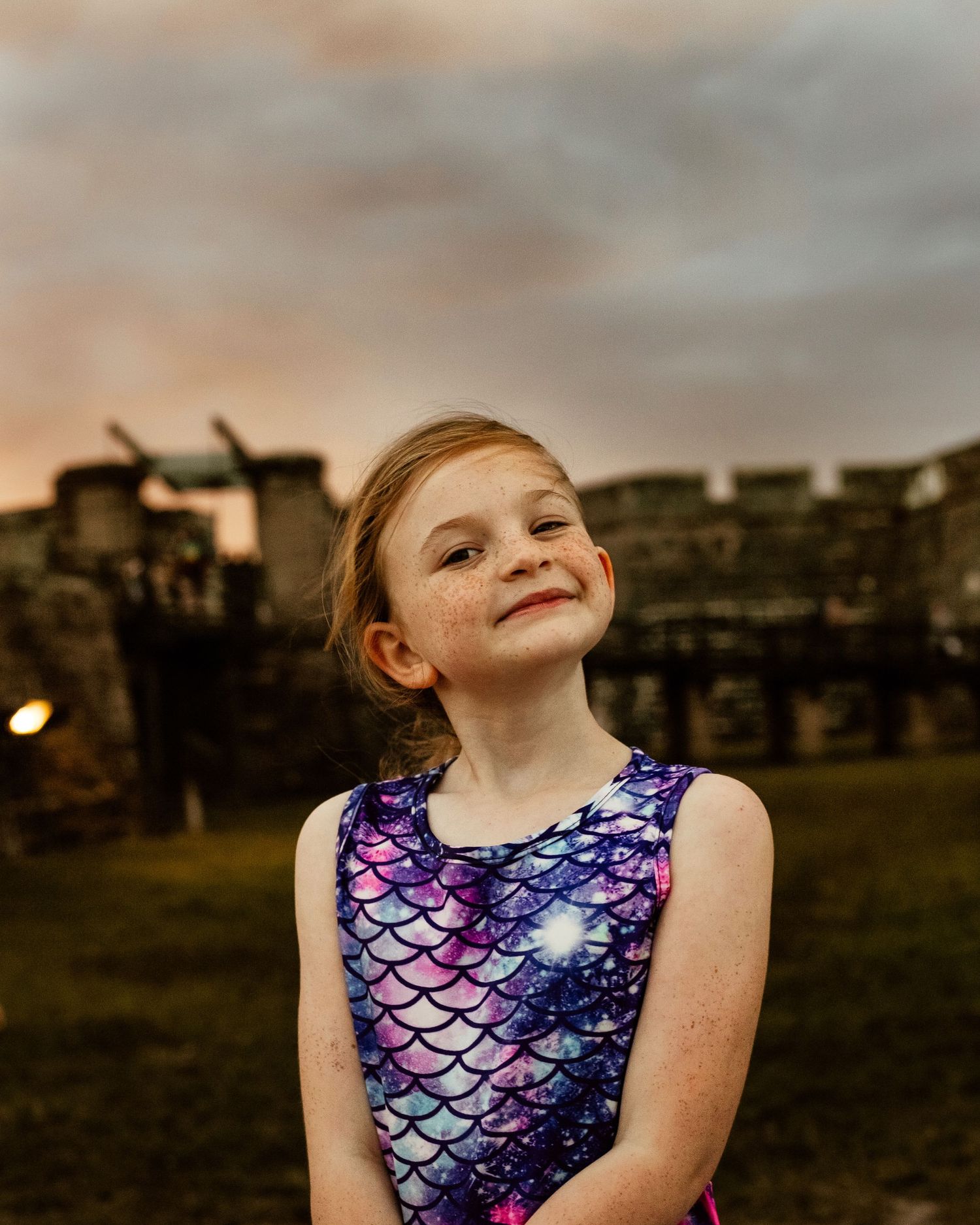
There are sooooo many talented photographers out there, especially if you live in high-demand areas (here's looking at you, Utah). Narrowing your options down can seem like a daunting task...even more so if you don't even know the right questions to ask or what even makes one photographer better (or just different) from another. Generally, there are four things you should think about. Grab a pen and some paper, and let's compare!
Style
The single most important thing you need to do before choosing a photographer is to research their style. There are a ton of photographers out there, and each one has their own unique vibe when it comes to how the finished images look. A number of variables go into how a finished image ends up, so let’s chat about a few of those.
- Equipment They Use. The equipment they use can have an effect on the final image (and image quality). Whether they are shooting on a crop frame DSLR camera, full frame camera, or on one of the new mirrorless cameras, that may impact the size and quality of the files you get. If you are looking to have your images printed larger than 8x10 or are really concerned with a high-quality images, you’ll definitely want to steer away from someone shooting on a crop frame (common examples are the Canon Rebel series). Additionally, the photographer may own (or have access to rent) different lenses which can create different looks. Longer lenses (like 85mm or 100mm) are terrific for detail shots (great for weddings) and getting that creamy, blurred background that really makes portraits stand out. In contract, something like a 24mm or 35mm is preferred if you’re looking for images with a lot of landscape or backdrop. As such, you’ll see a lot of wedding and elopement photographers will usually shoot on one of these two focal lengths.
- Lighting Preferences and Skills. You’ll want to be familiar with what lighting scenarios they prefer. Some photographers are primarily natural light chasers and will be aiming to shoot your session sometime around golden hour or blue hour. That’s when the lighting is the most flattering and even (mid-day, direct sun is the least ideal time in terms of lighting). If you’re thinking about an indoor session, you’ll either want someone who is comfortable with flash or ensure your location has plenty of natural light options with various windows or sliding glass doors. For wedding receptions, parties, and any other specifically low light scenarios, you’ll want to ensure they have experience working with off-camera flash and have a camera/lens set up capable of optimizing any lighting scenario you might find yourself in. You can usually get a sense of this by previewing their galleries or Instagram feed to see what they tend to shoot the most.
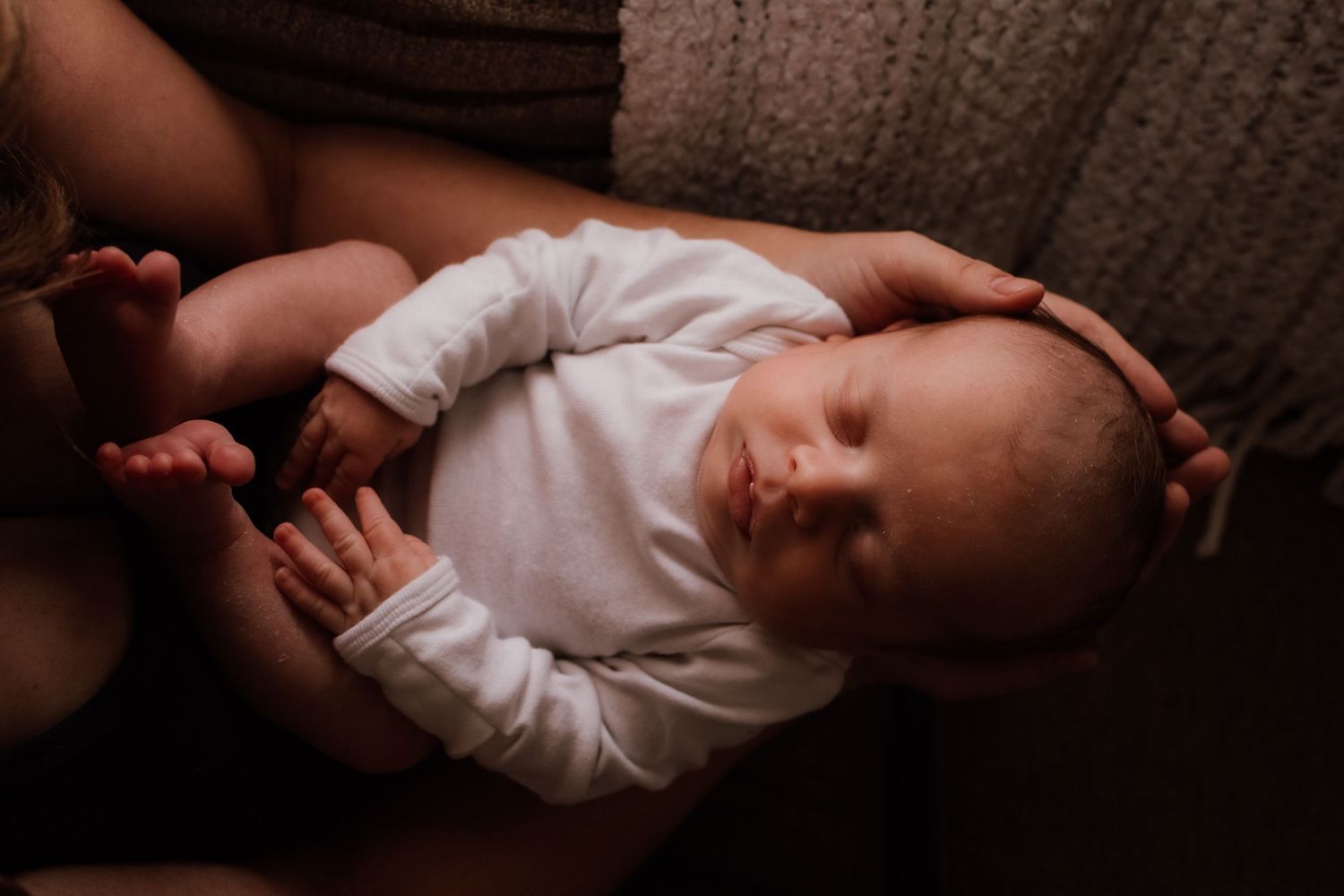
- Edits Matter. If you take the same image taken by (and edited by) 100 photographers and line them up side by side, you’ll notice that every single one is a little bit different. Even after accounting for all of the variables in equipment and lighting, there’s still so much that goes into creating the final image you get delivered in your gallery. Most often, photographers will do a series of edits in Lightroom, Photoshop, or both – making adjustments to the colors, saturation, tones, details, crops, and so much more. A quick Instagram search will show you there are photogs that like warm images, or bright white, or bold and colorful, or dark and moody. Some are cinematic, some are true to life. Maybe the bulk of their feed is like a story – walking you from moment to moment in the session, highlighting the emotions or details of that family or the love of that couple. Or maybe they absolutely nail family shots or look for ways to add bright pops of color to every image. Consider how you want to use your images once you get them, and make sure that photographer’s style is going to get you the product you want. As a note, most photographers have a clause in their contract about it being the client’s responsibility to ensure they are satisfied with the photographer’s editing style before booking and that disliking that style is usually not grounds for a refund or reshoot. So make sure you aren’t asking Ms. Dark and Moody to shoot your bright white wedding and hoping they’ll do it the way you want even when that’s not their style.
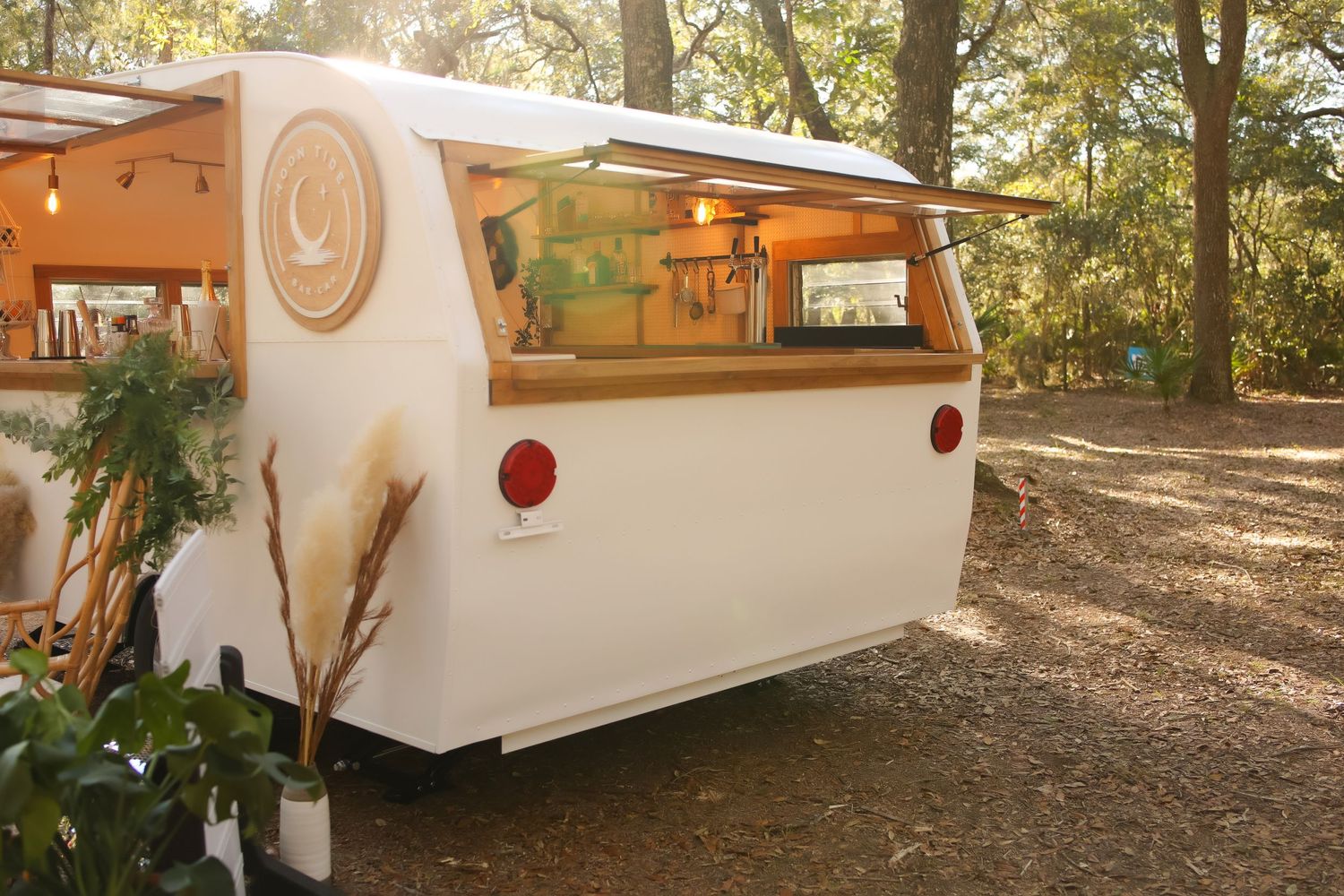
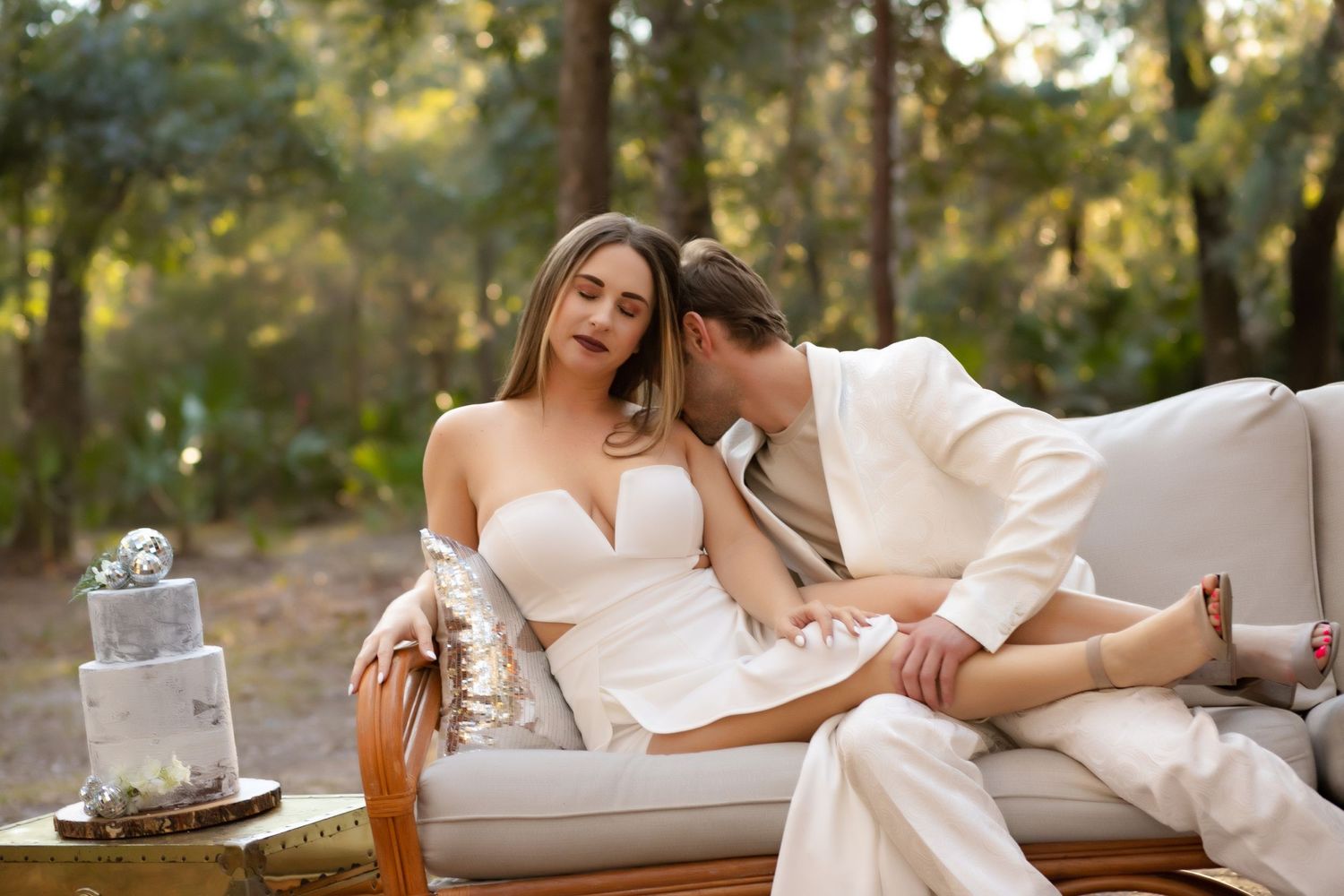
honestlyTimeline (theirs / yours)
One of the biggest things I think clients don’t factor in is timeline. Depending on the time of year and the demand for that photographer, you may not get your final images for several weeks to several months after your shoot. This is especially true around the fall, when everyone is trying to get photos done in time for holiday cards, and many clients find out they’ve waited too long and everyone is booked solid. I always suggest that if you know you like to get photos done every year, find your photographer for that initial shoot and then pre-book them for next year! They’ll generally love getting you on the schedule in advance (unless they are changing where they are offering mini sessions or something like that), and you don’t have to worry that they’ve gotten super popular and can’t fit you in. Also, during wedding season (spring – fall) is a super busy time for photographers. It takes a loooooong time to cull, edit, and deliver the number of images that typically get returned for a full-day wedding, so you can expect it to take weeks to months before you have your full gallery in hand. It also means they are less available for other kinds of sessions, including last minute weddings. Fun fact, most couples in the U.S. have their wedding photographer booked 12-15 months in advance!! If you are one of those last-minute couples, don’t be afraid to ask though! The photographer may have had a cancellation or are just uber excited to shoot your wedding, so give them a chance. Long story short, if you need your images back within a certain time frame, be sure to discuss that up front and be prepared to book sessions well in advance of the actual shoot date you’re aiming for.
Number of Images
You’ll also need to consider the difference in the number of images you can expect to receive. We’ll talk regular sessions first and then hit weddings at the end, since they are somewhat unique. For a typical session (family, couples, maternity, senior, etc…), I’ve found there are generally three options.
- You’ll be offered the full gallery (minus any the photographer feels are unusable). Depending on how many images they take during the session (hello, over shooter here!), you may get 50 images for an hour session or you may get 300. If you’re looking for a lot of images, this may be the option for you, although it may be more expensive up front.
- You’ll be offered a set number of images (best of the best) chosen by the photographer. So they may offer you 40 images, and they will select the 40 best images (in their opinion), fully edit them, and deliver. This is a great option for those that struggle with wading through hundreds of images (often small variations of the same shots) to narrow it down to whatever number you’ve agreed on. The downside is there may be images you want or may have preferred, but you won’t even get a chance to see them.
- You’ll pay upfront for a small number of images (usually 10-20 depending on the length of the session), but you’ll get sent the full gallery (with basic edits), so you can select the images you like best before they do all the detailed edits. This is the option I usually offer, so let me explain why it's awesome. With this scenario you get fewer images, but honestly most clients rarely use more than a handful of images and the rest just get saved in a folder on their computer. Additionally, you’ll get to select your personal favorites and let the photographer know about any special edits/retouching you want before they do the final work. With this option, there’s usually the chance to purchase additional images if you like more than the agreed upon number or even sometimes a chance to upgrade to the full gallery. Most clients love the being able to see the images first and then have the option to purchase only more if they want. Finally, this is usually the most cost effective option since the photographer will only have to fully edit a small number of images.
For weddings specifically, you’ll most often see a variation of (1) and (2) above. The range for weddings is usually between 50 and 100 images per hour of coverage. So if your plan includes 8 hours of coverage, you should expect anywhere from 400-800 images back in your final gallery, and most often it’s the photographer who choose which images make the cut. That’s a lot of images, y’all! Don’t shy away from photographers who do it differently though! Everyone has their preferences and ways of doing business. Think about what your end game is for those images…print, album, FB, gallery wall…and let that help determine how many images you realistically need.
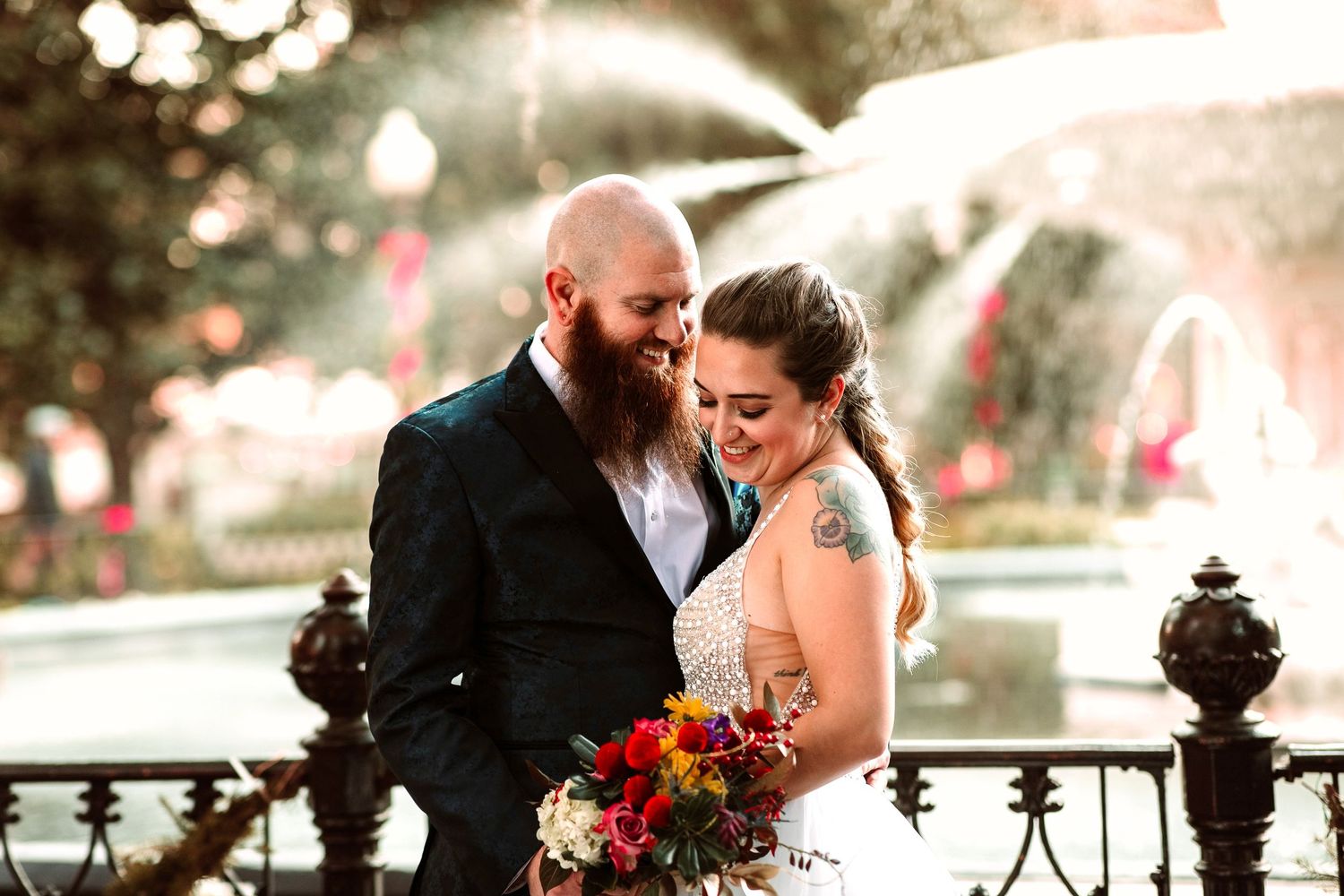
Budget
Finally, the last thing you need to consider is budget. By looking at all of the previous things we talked about, you’ll likely have an idea in mind about the budget you’ll need to get what you want, but sometimes what we want (all the images, best photographer in town, 2-week turnaround, etc…) just isn’t possible with our current financial situation. So, come back to your budget and consider which of the above considerations you have flexibility on in order to get to a cost that’s manageable. Obviously, the more experienced and in-demand a photographer is, the higher their prices will be. But if you don’t like their style or can’t live with their terms, it doesn’t matter how desirable they are to other clients!
I wouldn’t be a photographer myself if I didn’t add in the caveat that images are often the only real connection we have with some of the happiest, saddest, most fun, most crazy moments in our lives. I can honestly say investing in the photos that you really want – even if that means adjusting other areas that may only have lasting impact that day or maybe a year down the road – is quite literally the best thing you can do with your money.
Hopefully this post has given you some things to think about if you're in the market for a photographer. It's quite often a sizeable investment for most clients, so it's definitely something you should go into having done your research. Feel free to comment, email (foreveryourscreative@gmail.com), or DM on Instagram if you have a specific question that I didn't answer. I'd also love to hear what you thought about this post!